
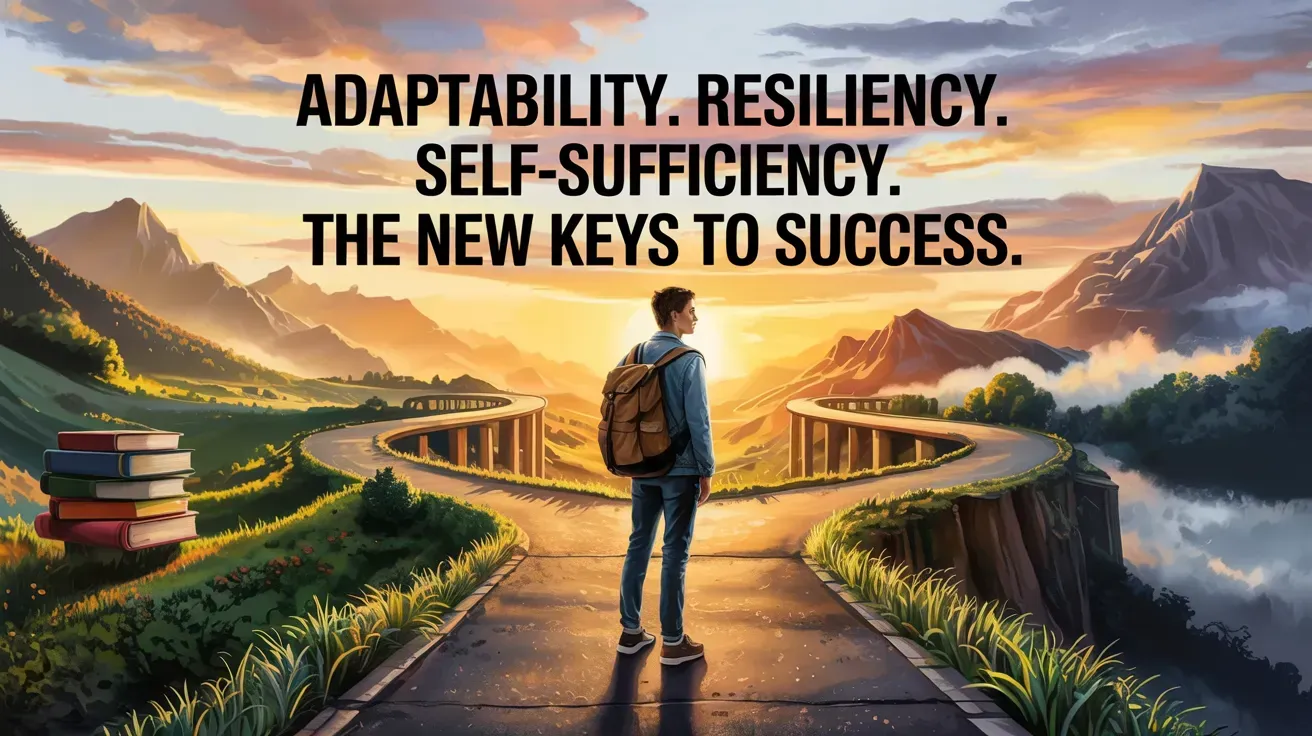
Why Students Must Learn Adaptability, Resilience, and Self-Sufficiency to Thrive in the Modern World
For the first time in U.S. history, 30-year-olds are earning less than their parents did at the same age. This shocking reality marks a generational shift that demands a reevaluation of how we prepare students for adulthood. Traditional education alone is no longer sufficient; students must develop adaptability, resilience, and self-sufficiency to navigate an increasingly complex and unpredictable world. These traits are not just desirable—they are essential for thriving in the years ahead.
The Generational Income Decline: A Wake-Up Call
The decline in generational income is not just an economic anomaly—it’s a symptom of deeper societal shifts that are reshaping the landscape of opportunity for young adults. Here are some critical factors driving this trend:
Economic Shifts
Automation, globalization, and the rise of the gig economy have fundamentally transformed job markets. Stable, long-term careers that were common for previous generations have been replaced by short-term contracts, freelance work, and jobs that demand constant upskilling. For 30-year-olds today, navigating this new economy requires flexibility and a willingness to adapt.
Rising Costs
The cost of living has increased dramatically over the past few decades. Housing prices have soared, healthcare expenses have ballooned, and student loan debt has reached unprecedented levels. These financial burdens make it harder for young adults to save money, invest in their futures, or achieve financial independence.
Wealth Inequality
The gap between the rich and poor continues to widen, limiting upward mobility for many. While previous generations benefited from economic booms and expanding middle-class opportunities, today’s young adults face stagnating wages and fewer chances to build wealth.
Rising Costs
The cost of living has increased dramatically over the past few decades. Housing prices have soared, healthcare expenses have ballooned, and student loan debt has reached unprecedented levels. These financial burdens make it harder for young adults to save money, invest in their futures, or achieve financial independence.
Wealth Inequality
The gap between the rich and poor continues to widen, limiting upward mobility for many. While previous generations benefited from economic booms and expanding middle-class opportunities, today’s young adults face stagnating wages and fewer chances to build wealth.
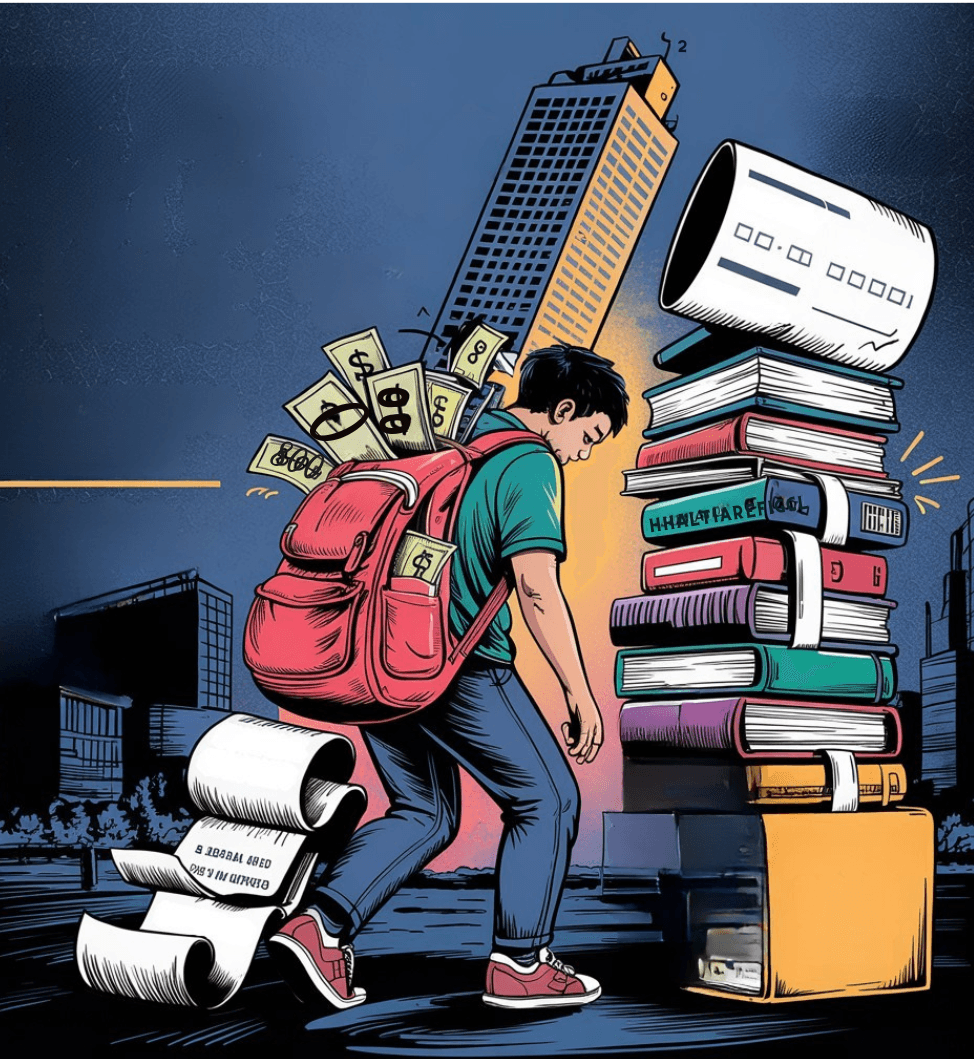
These challenges underscore the need for a new approach to education—one that equips students with life skills beyond academics.
Why Adaptability Is Crucial
Adaptability is more than a skill; it’s a mindset that allows individuals to adjust quickly to new circumstances without succumbing to stress or fear. In a world of constant change, adaptability is essential for success. Here’s why:
Embracing Change
Adaptable students can embrace new technologies, learning methods, and career paths as industries evolve. For example:
The rise of artificial intelligence (AI) has created demand for entirely new skill sets.
Remote work has transformed traditional office environments into flexible virtual spaces.
Students who can pivot quickly will be better equipped to seize opportunities in these emerging fields.
Navigating Uncertainty
Life is unpredictable—and adaptable individuals thrive in uncertain situations by maintaining emotional stability and focusing on solutions rather than problems. This ability is particularly valuable in times of economic downturns or personal setbacks.
Building Lifelong Learning Habits
Adaptability fosters self-regulated learning, enabling students to set goals, manage their time effectively, and continuously acquire new skills throughout their lives.
Building Resilience: The Key to Overcoming Setbacks
Resilience is the ability to recover from setbacks and persist despite difficulties—a trait that is crucial for students facing academic pressures, financial challenges, or personal struggles. Here’s how resilience can transform lives:
Turning Failures into Growth
Resilient individuals view failures as opportunities for growth rather than obstacles. For example:
A failed exam becomes a chance to refine study habits.
A lost job becomes motivation to explore new career paths.
Teaching students how to reframe setbacks helps them develop confidence and perseverance.
Coping with Stress
Stress is inevitable in today’s fast-paced world—but resilient individuals know how to manage it effectively. Techniques like mindfulness, journaling, and exercise can help students stay grounded during tough times.
Cultivating Optimism
Optimism is a cornerstone of resilience. By focusing on possibilities rather than limitations, students can maintain motivation even when faced with adversity.
Fostering Self-Sufficiency for Independence
Self-sufficiency empowers individuals to take control of their lives without relying on external support. It involves developing critical thinking skills, resourcefulness, and financial literacy—all of which are essential for thriving in adulthood.
Critical Thinking Skills
Self-sufficient students know how to analyze problems and make informed decisions. They can:
Evaluate risks before taking action.
Solve complex challenges using logic and creativity.
Adapt strategies based on feedback and results.
Resourcefulness
Knowing how to seek help and utilize available tools is vital for independence. For example:
Students who understand how to network effectively can access mentorship opportunities.
Those who leverage online resources like free courses or tutorials can learn new skills without incurring debt
.
Financial Literacy
Financial literacy is one of the most important aspects of self-sufficiency. Students must learn how to:
Budget their income wisely.
Save money for emergencies or future investments.
Avoid unnecessary debt by making informed choices about loans and credit cards.
By integrating these real-world skills into education—such as communication, teamwork, and financial management—we can prepare students for independent living.
Strategies for Developing These Skills
Educational institutions must adopt innovative approaches to cultivate adaptability, resilience, and self-sufficiency alongside traditional academics. Here are some strategies:
Experiential Learning
Engage students in real-world problem-solving through internships, community projects, or entrepreneurial ventures. These experiences teach adaptability by exposing students to diverse challenges and environments.
Social and Emotional Learning (SEL)
Teach emotional regulation, empathy, and mindfulness as part of the curriculum. SEL programs help students build resilience by developing strong interpersonal skills and coping mechanisms.
Personalized Education
Tailor learning experiences to individual needs while encouraging autonomy. For example:
Allow students to choose projects that align with their interests.
Provide flexible deadlines or alternative assessments based on personal circumstances.
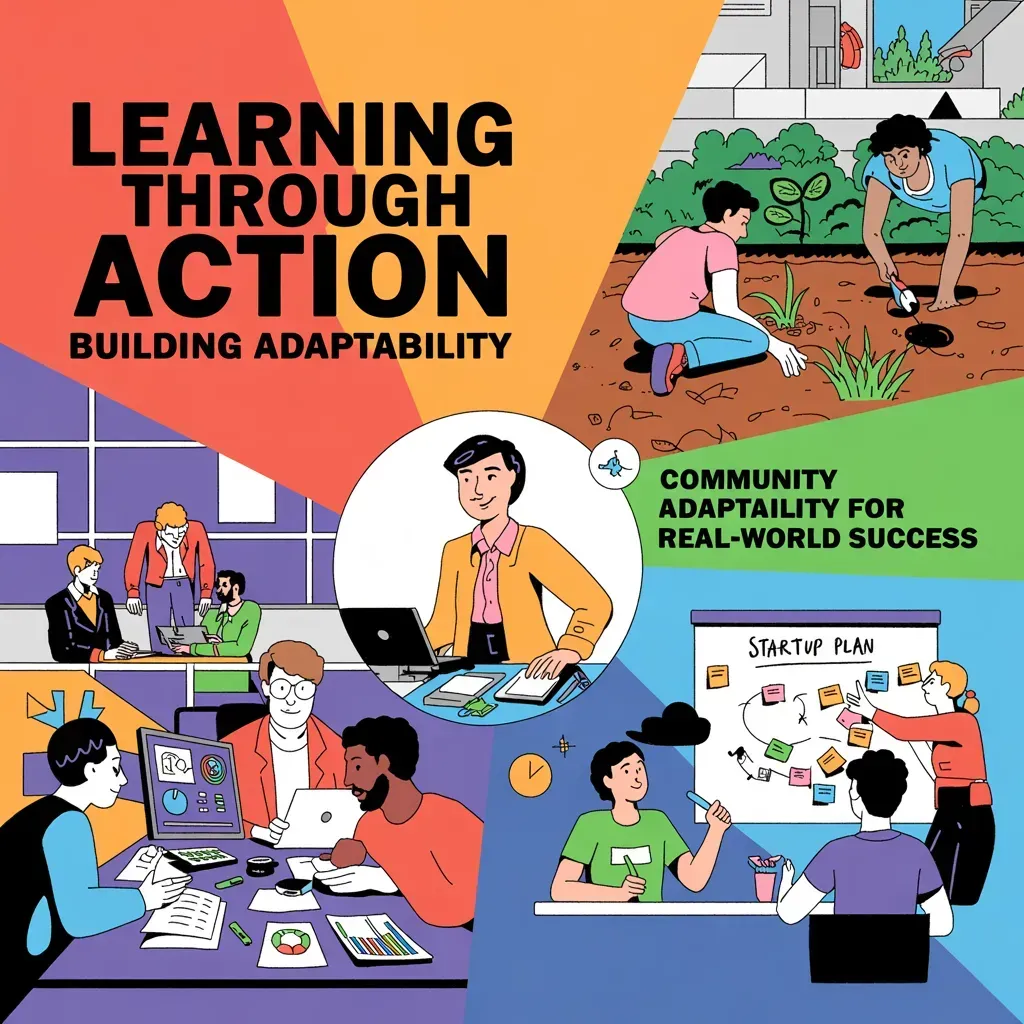
Collaborative Environments
Promote teamwork through group projects or peer support networks. Working collaboratively teaches adaptability by requiring students to navigate differing perspectives and approaches.
A Call to Action
The generational income decline is more than an economic issue—it’s a challenge that calls for systemic change in how we educate future generations. Students must be empowered with the tools to adapt, persevere, and thrive in an unpredictable world.
At Personal Success Academy (PersonalSuccessAcademy.org), we specialize in teaching success habits that foster adaptability, resilience, and self-sufficiency. Our courses help students discover their potential and build the mindset needed for lifelong success.
Whether you’re a student looking to take control of your future or an educator seeking innovative ways to inspire your class—our resources provide actionable strategies for achieving personal growth.
Conclusion
The world is changing rapidly—and so must our approach to education. By prioritizing adaptability, resilience, and self-sufficiency alongside traditional academics, we can ensure that today’s students are prepared not just to survive but to thrive in the years ahead.
Ready to take charge of your future? Visit PersonalSuccessAcademy.org today!
Russ StifflerTwo-Time World Record Holder, Success Coach, and Author
Russ Stiffler is a two-time world record holder and a coach of world and national champions. Over the past 20 years, he has guided young people from playful beginnings to remarkable achievements, including National Championships, Regional Records, and even spots on U.S. National Teams. Beyond the accolades, Russ’s coaching focuses on instilling the attitudes, habits, and mindset that naturally attract success—qualities that last a lifetime.
He is the author of three books: "101 Inspirational Quotes to Turbo Charge Your Success,""The Secret to Turbo Charging Your Success for Peak Performance," and "Chasing Dreams With God: A Middle Schooler’s Roadmap to Success."
Russ is also the founder of the Personal Success Academy, a 13-month course designed to help students internalize essential success skills like resilience, goal setting, and self-confidence in just 10–15 minutes a day. His mission is to empower young people with tools to live with purpose and unlock their full potential.
Created with © systeme.io